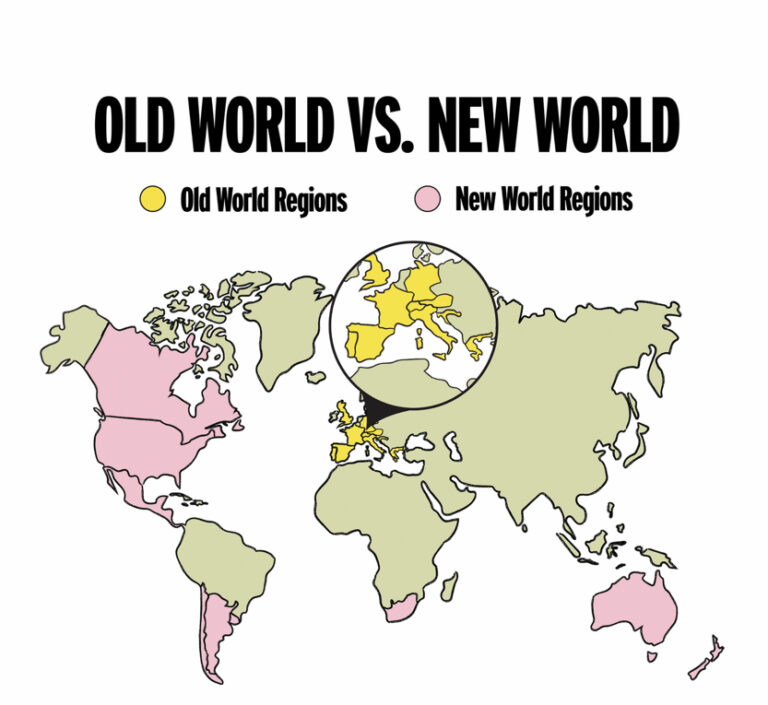
Tradition, climate, winemaking and personal taste all shape what ends up in our glass. How many time have you read about a New World wine or heard someone reference an Old World variety?
While you can take an educated guess at the main difference between the two (country of origin) it’s not always clear what the other distinguishing features are. Here’s the R&J Fine Wines guide to Old World vs New World wines and what to look out for.
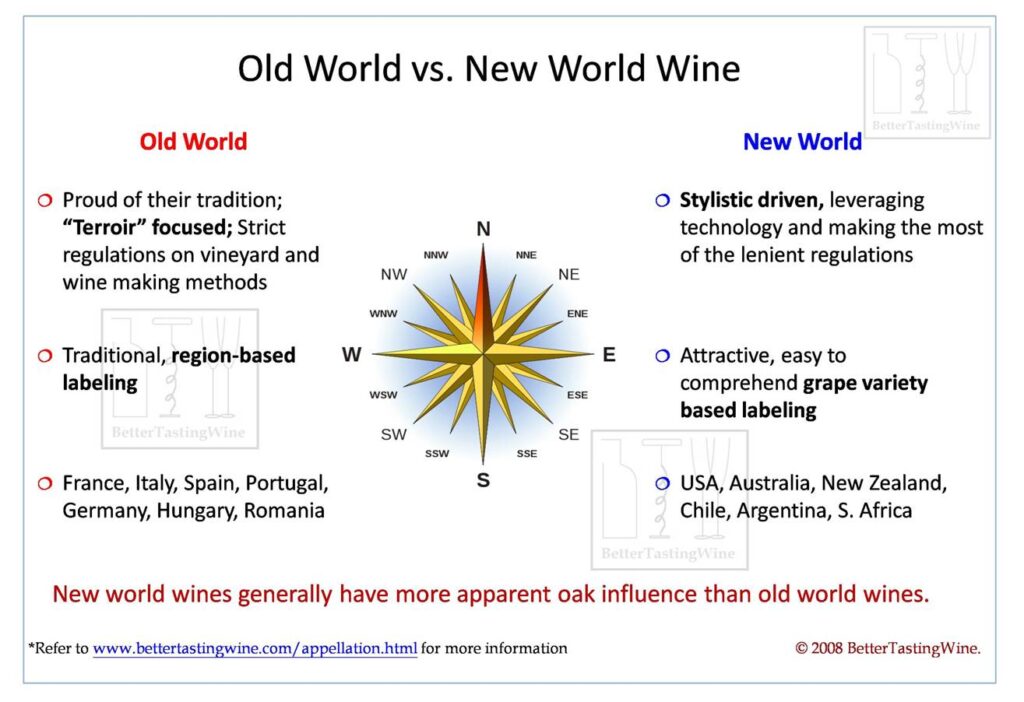
These are useful generalisations but not fixed rules.
Today, climate, technology, international expertise and changing consumer tastes have made the Old World/New World divide far less clear-cut. A New World producer can make a restrained, elegant wine whilst an Old World producer can make a ripe, modern and fruit-driven wine.
Younger generations of growers and winemakers are increasingly willing to experiment while still respecting their regional heritage.
The better question may now be: what style is the producer trying to achieve?
That’s why it’s useful to look at tradition versus innovation in wine making to further see how the two differ.
Stainless-steel tanks, temperature control and other modern techniques can preserve freshness and fruit character.
Some producers experiment with alternative vessels, infusion or extraction techniques and different approaches to ageing.
Innovation is not exclusive to the New World, adventurous winemakers now exist everywhere.
Old World wine labels often lead with the region or appellation. Understanding the place can help you understand what is in the bottle. New World labels have traditionally made selection easier by placing the grape variety prominently on the label.
The Old World classification systems protect identity and tradition, but they can also appear complicated to newer wine drinkers. New World producers have generally enjoyed greater freedom to experiment with grape varieties, blends, methods and branding. Making it clearer for those new to wine what they are selecting.
Our clients often ask: Does one make the better wine? Ultimately wine selection is about personal preference. Origin and tradition can guide us, but your own palate should make the final decision. Don’t forget:
“If you like it, you like it!”
We’re already starting to see very gradual changes from Old World producers. New generations are balancing tradition with economics, sustainability, changing climates and changing consumer tastes. The most exciting wines may increasingly combine the best of both worlds: a strong sense of place with intelligent modern winemaking.
Our advice! Taste widely, compare styles and let your taste buds decide.
Head over to our Facebook or Instagram profiles to share your thoughts and experiences of Old World and New World wines.
At R & J Fine Wines we pride ourselves on providing the personal touch. If you would like to find out more about Old World and New World wines we’re very happy to answer your questions.
Just email Richard and the team with any questions you may have and they will be more than happy to help you out.